
Community-Led Video Tours
PROJECT DESCRIPTION
Conventional urban planning and community engagement practices often unintentionally leave out those who are most directly affected by planning decisions. The young, the old, and people with disabilities are the most vulnerable to traffic violence. They are also groups who are not likely to show up at a conventional engagement pop-up or event.
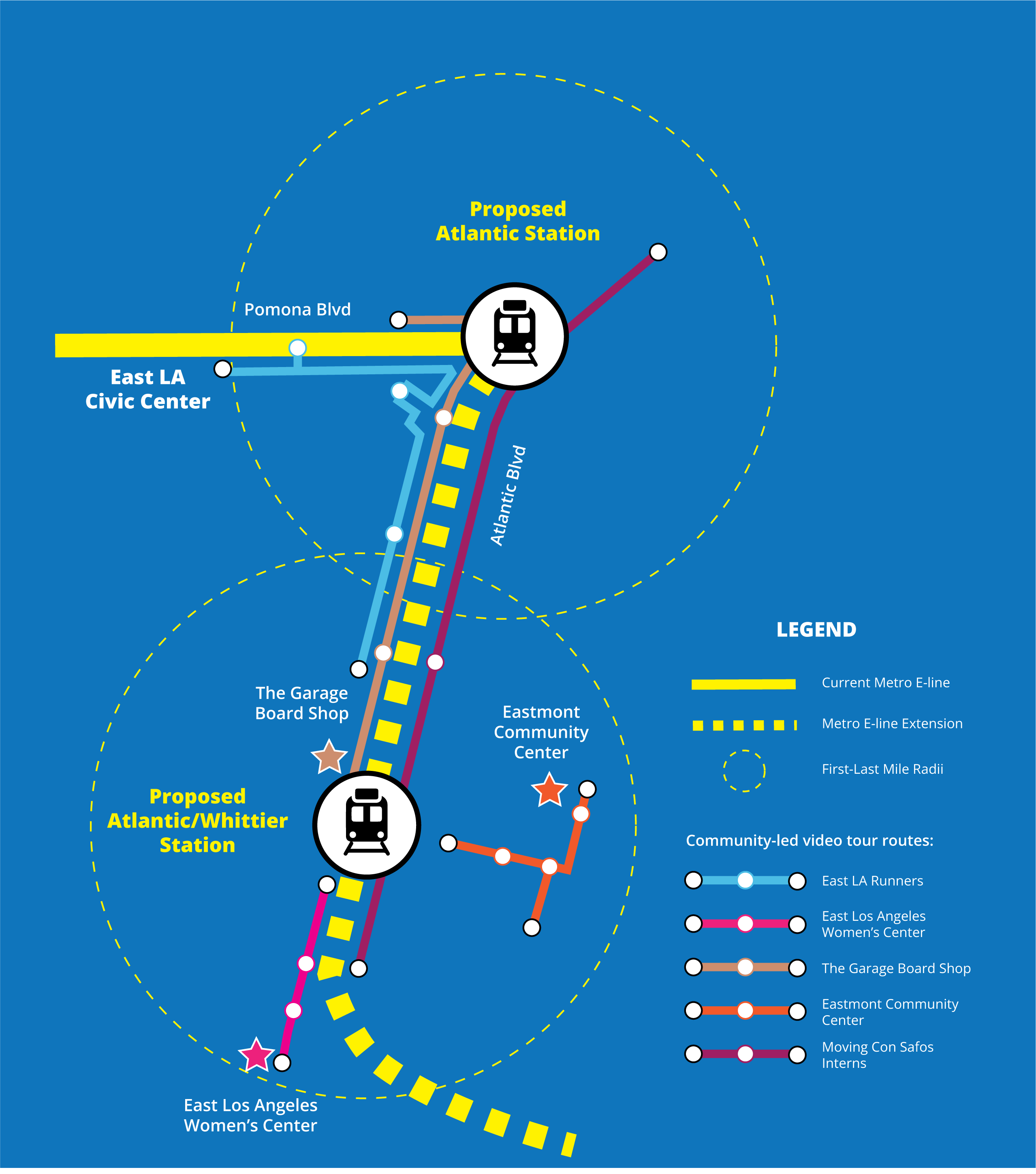
In 2023, LA Metro asked Public Matters to join its community engagement efforts through these standard means. The engagements were to inform planning of the Eastside Transit Corridor Phase 2 First/Last Mile (FLM) and the two stations being built on Atlantic Boulevard in East LA—one at Pomona, the other at Whittier.
Public Matters declined.
Instead, it proposed an alternative strategy: work with five key East LA groups—runners, skaters, youth, seniors, women, and those with mobility impairments who would have failed to participate otherwise—to lead Community-led Video Tours to provide input on LA Metro’s expansion and future East LA stations. This would not only ensure participation of the groups in planning efforts, but more importantly, representation of their unique experiences traveling through the area. Public Matters also ensured that its specific planning and programmatic recommendations were highlighted and easy for LA Metro’s planners to find.
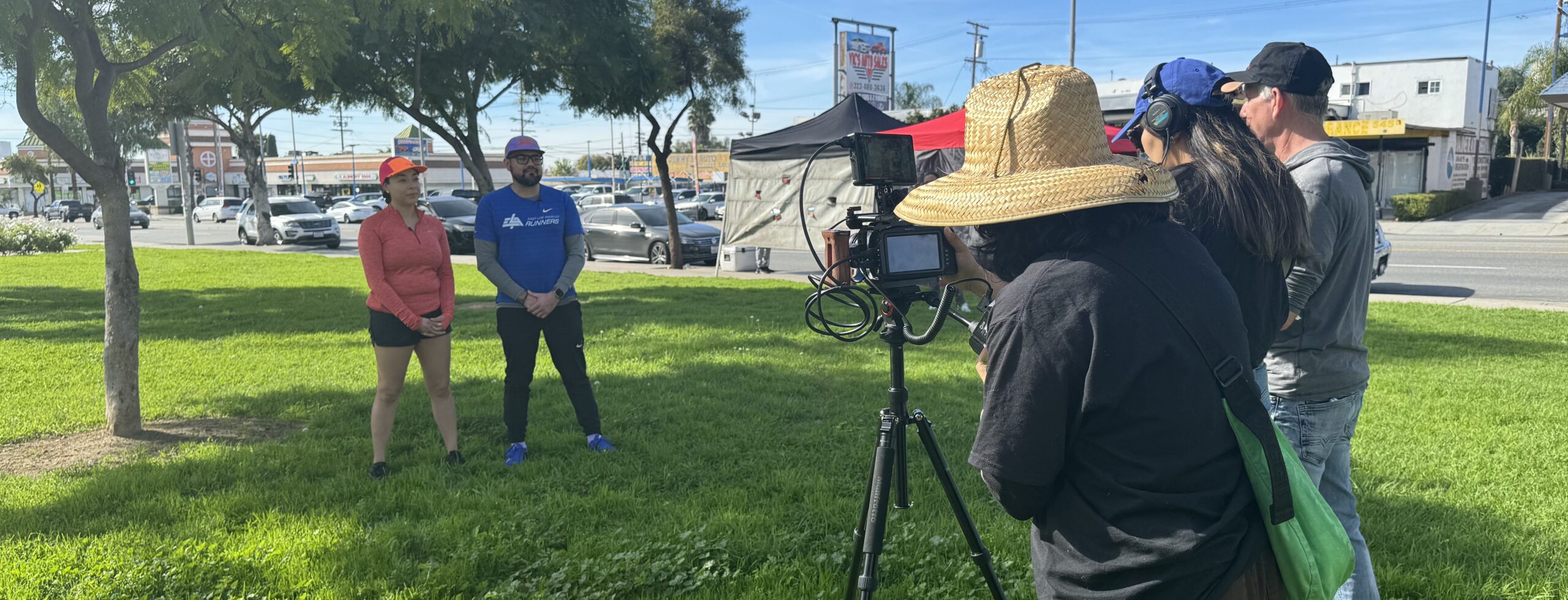
From September 2023 to March 2024, Public Matters, equipped with video and audio gear, followed, recorded, and interviewed these local experts as they walked, cycled, skated, or rolled, at times with their pets, through their neighborhood stomping ground. As they guided Public Matters through streets, stations, bus stops, businesses, parks, and more, they shared stories, insight, excitement, safety concerns, and a wishlist for improving their streets and making commutes safer and more enjoyable—particularly in anticipation of LA Metro’s future plans.
Public Matters created five video “tours” of the area, providing LA Metro with specific, actionable recommendations and an example of how meaningful and effective community engagement in their planning process can be achieved.
The insights and suggestions of these groups, who otherwise would have been excluded, are now featured in LA Metro’s plans. More so, the strategy has been lauded and promoted by LA Metro.
Our Role
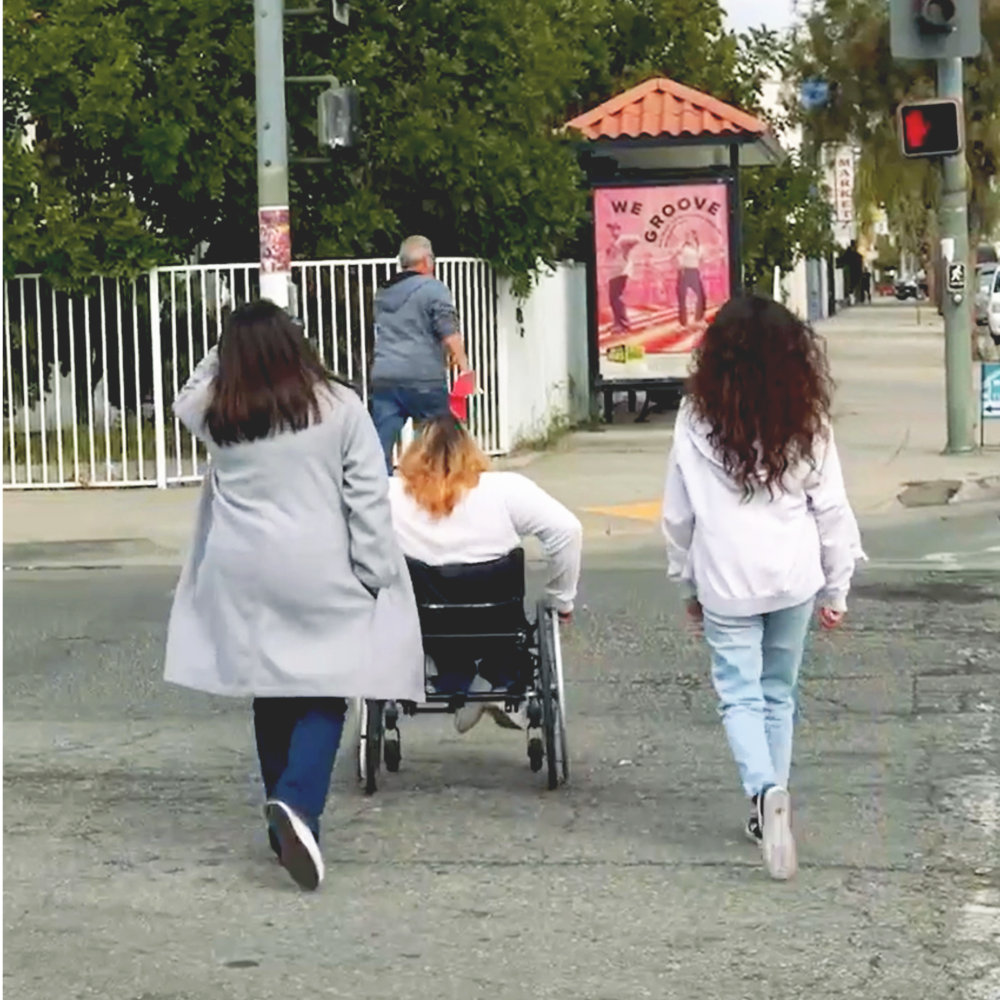
Engaged the most vulnerable groups within the first/last mile corridor and ensured that their experiences and insights were at the forefront of planning efforts
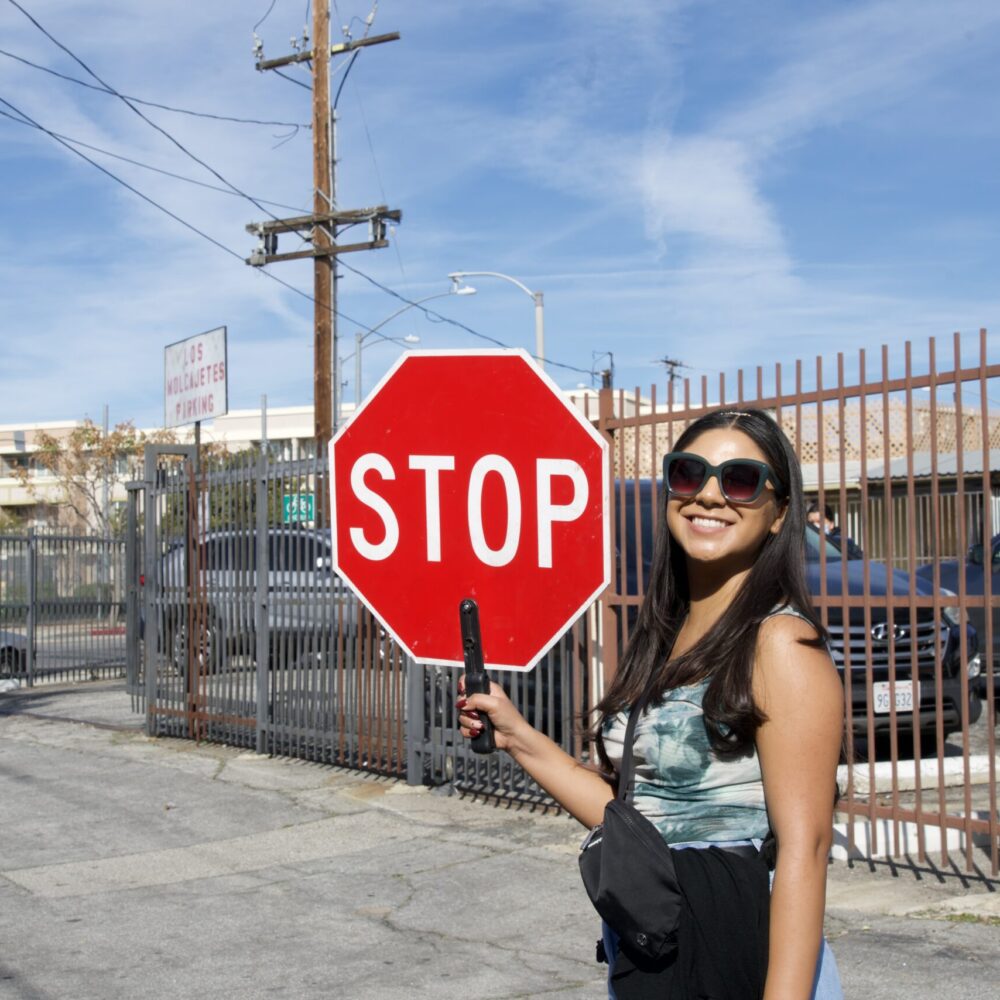
Proposed and created a fun and interactive way to engage community groups in urban planning
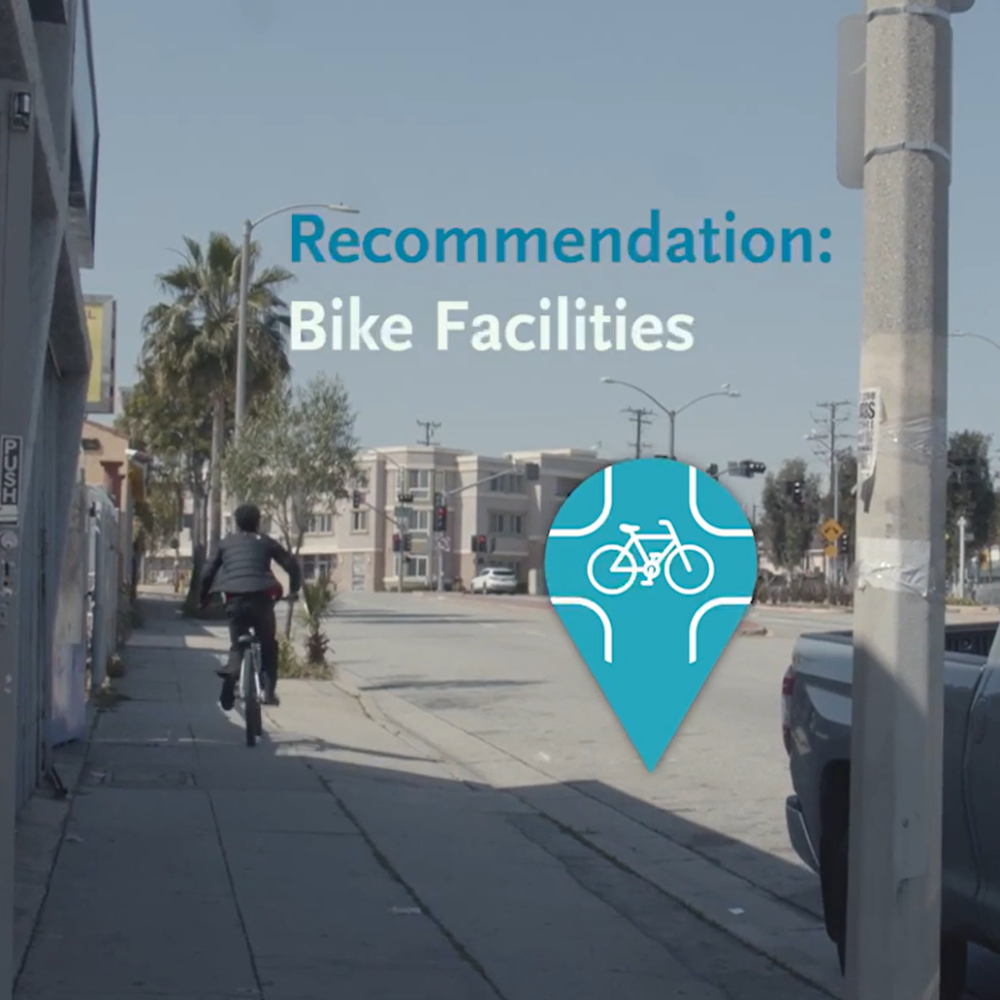
Created videos that synthesized each group’s input into a shareable, concise list of priorities and recommendations
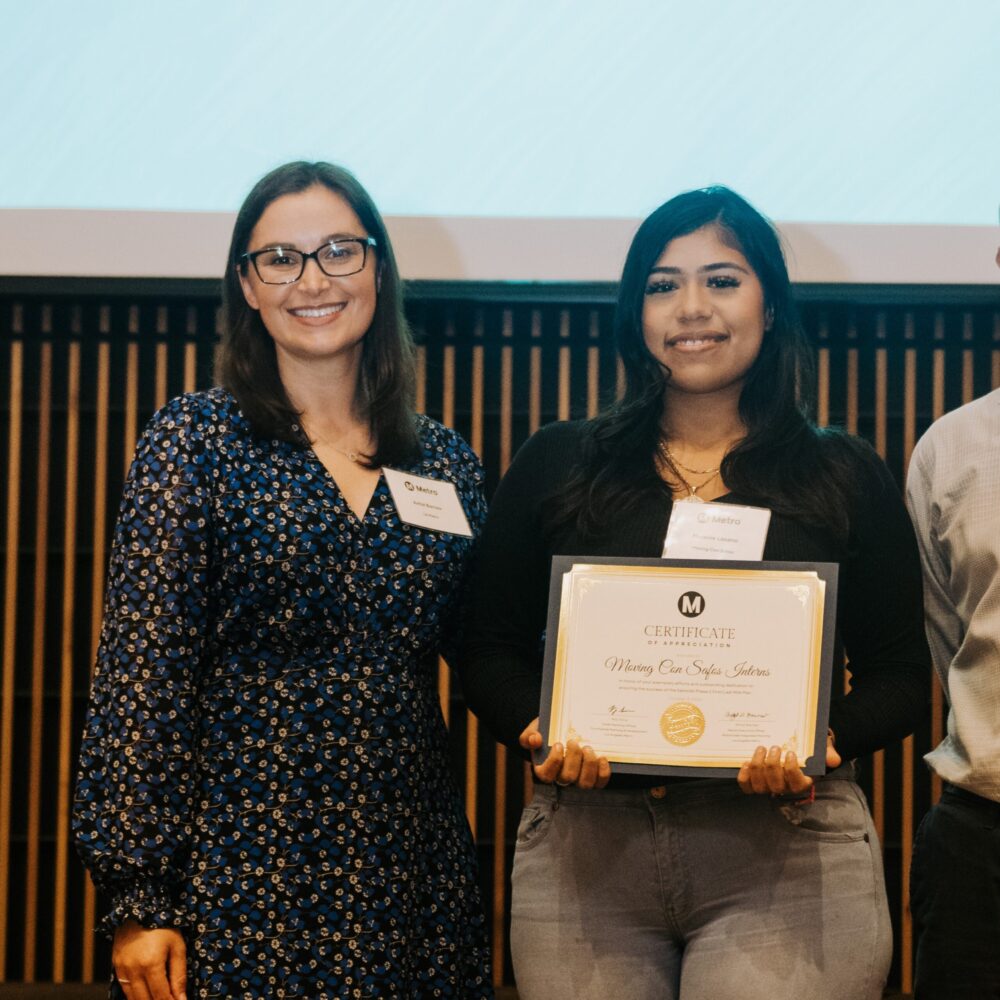
Built relationships between LA Metro and East LA stakeholders which will continue to inform and influence LA Metro’s plans and operations
“We’re really grateful that something like this, a new station, is coming to our community because we don’t really see things like this in our community, and I think that our community deserves it.”
–Ariadna Castaneda, East LA Runners
Atlantic Boulevard serves as a major thoroughfare running through East LA. To describe it as bustling with frenetic energy barely scratches the surface. This is especially evident at Pomona and on Whittier boulevards, where LA Metro plans to build two new Metro stations.
Currently, at and around these intersections, students, parents, runners, and commuters engage in a daily scramble, navigating a sea of cars, trucks, and buses vying for space. Skateboarders and cyclists seek refuge on sidewalks already overcrowded with pedestrians and vendors. The lack of bike lanes and the constant press of humanity can make even a simple walk unnerving and unsafe.
Street safety concerns loom large in East LA, with the area having one of the highest rates of collision concentration corridors in LA County. The LA County Vision Zero Action Plan identifies at least 15 collision concentration corridors across 11 streets, including iconic Whittier Boulevard, which ranks among the top 20 least safe streets in the County.
Easy access to forms of transportation without a car within a half-mile radius of transit is the most critical factor in whether or not people are likely to use public transit. Known as the “first/last mile connection,” LA Metro’s goal is to make it easier to walk, bike or roll to and from their nearest station or bus stop.
The expansion of the Metro E line and the addition of the two Metro stations at these critical junctions offer a glimpse of relief, but they also present complex planning challenges, much like navigating Atlantic Boulevard at the peak of rush hour. Crosswalks offer limited visibility and insufficient time to cross, while inadequate tree canopy and sparse bus shelters do little to protect the many who rely on public transportation. For parents, the thought of their children walking alone to and from the six schools in the area is a constant source of anxiety.
Read First/Last Mile | Next stop: vibrant communities. to learn more.
ENGAGEMENT
“I’d love to be able to skate…without my parents having to worry about me getting run over or something happening to me.”
–Andrew Martinez aka Eli, Youth Participant, The Garage Hip Hop Workshop
Meaningful, inclusive community engagement prioritizes the voices of all stakeholders, particularly those often marginalized or dismissed. It also requires time to build trust, work carefully and intentionally with community members, and create high-quality work. These can be hard to achieve without community and subject-matter knowledge, let alone the desire to invest in authentic engagement. Public Matters’ creative background, expertise in creative civic engagement, community connections and relationships in East LA, and past projects on street safety, active transportation, and transportation planning enabled it to create the video tours.
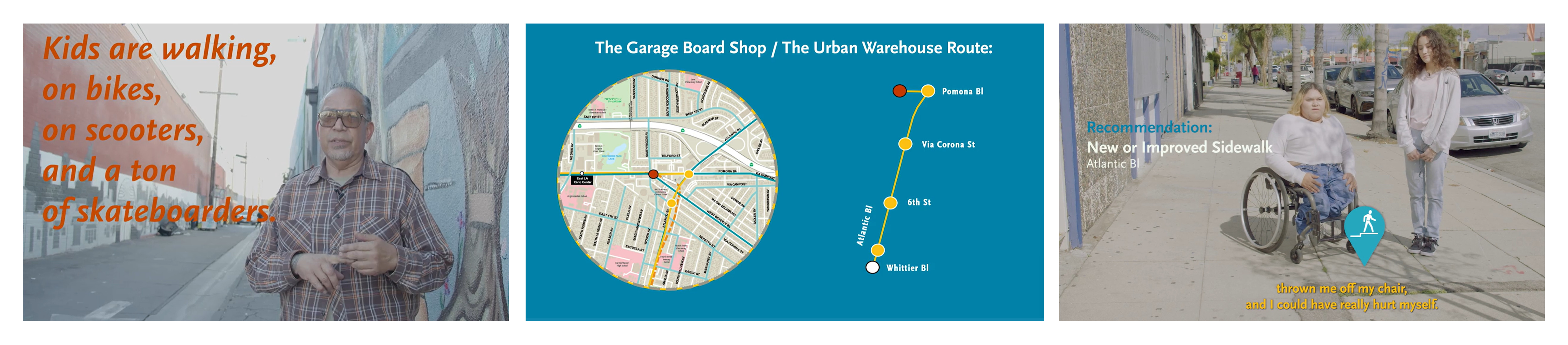
Public Matters worked closely with each group to craft a series of questions and a route map that would best introduce the groups, how they get around the areas, the mobility challenges they face, and their suggestions for improving street safety and accessibility.
Public Matters fostered a sense of shared ownership, a true stake, in LA Metro’s planning process for groups that had no connection to LA Metro. They engaged as true partners, which built trust and ensured that LA Metro’s planning aligned with the community’s real needs and aspirations. Additionally, the video footage was carefully edited and produced with intentional language and guidance about planning recommendations that were shown through maps, graphics, captions and messages for LA Metro’s planners.
For LA Metro, effectively engaging these particular community members in planning issues increased the likelihood of successful implementation of their projects. If the experiences of those who are the most vulnerable are incorporated into plans, the safety of others will follow. Stakeholders provide insights about their neighborhoods that LA Metro might overlook or not fully understand without the lived experiences of these groups guiding them. Finally, when people feel heard and valued, they are more likely to support and maintain projects over the long term. This is critical to LA Metro’s need to build community trust and relationships.
FEATURED COMMUNITY LED-VIDEO TOUR EXPERTS
EAST LA RUNNERS CLUB
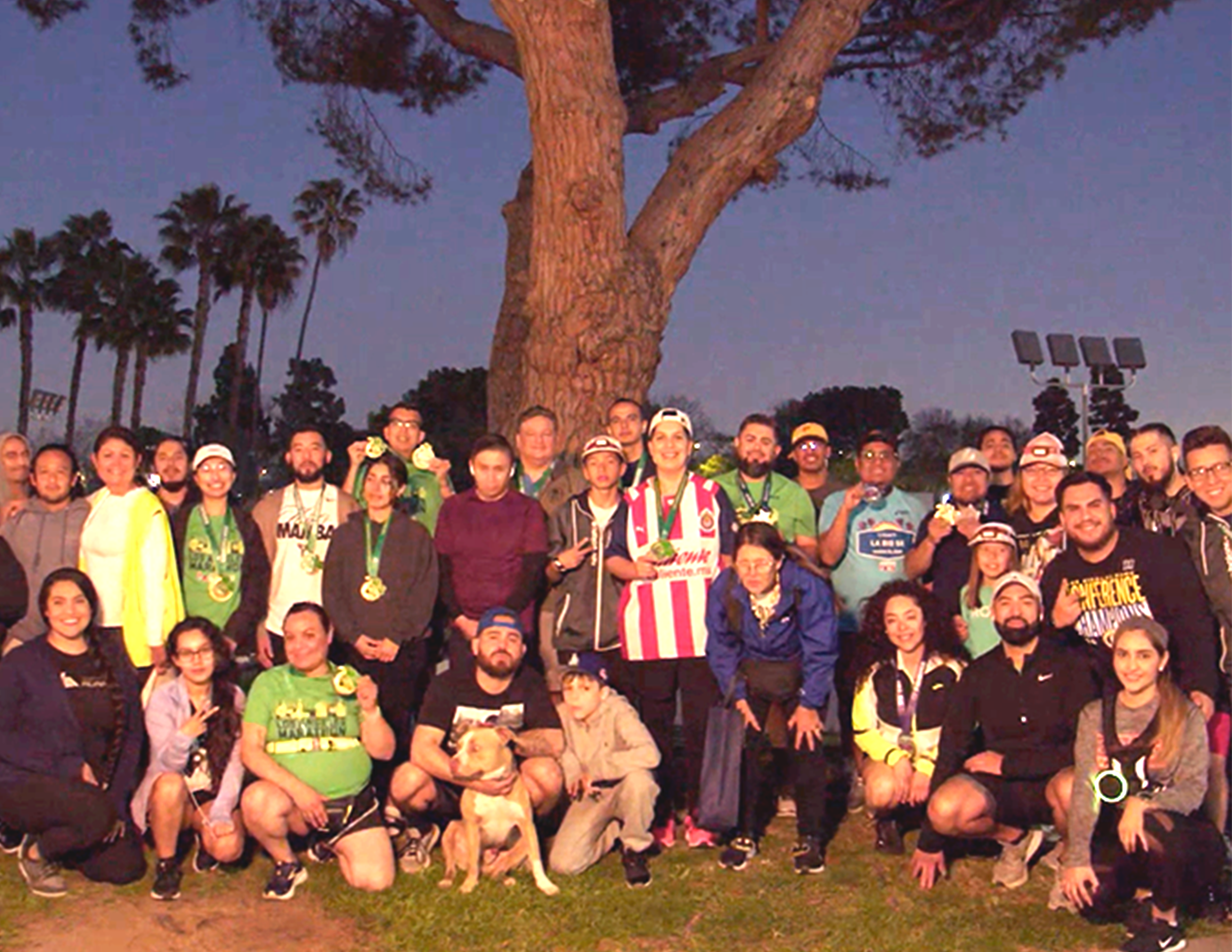
For the past seven years, East LA Runners Club has been promoting and encouraging health in their community through running. The tight-knit group of roughly 30 runners of all ages and experience levels meet every Tuesday at the East LA Civic Center, where some members arrive by LA Metro train. These runners uniquely experience the streets, carefully observing traffic patterns, safety conditions, driver behavior, lighting, and sidewalk conditions. 25 members of all running levels and ages participated in this project.
Recommendations
- Offer free rides on Metro to anyone engaging in activities to improve their health
- Engage and support businesses in the community
- Street Improvements, particularly better lighting, sidewalks, and pedestrian visibility to make it easier to run or get around East LA without a car
- Street Trees
- Bus Stop Improvements
- Bike Facilities
- Technology Literacy especially for seniors
EAST LOS ANGELES WOMEN’S CENTER
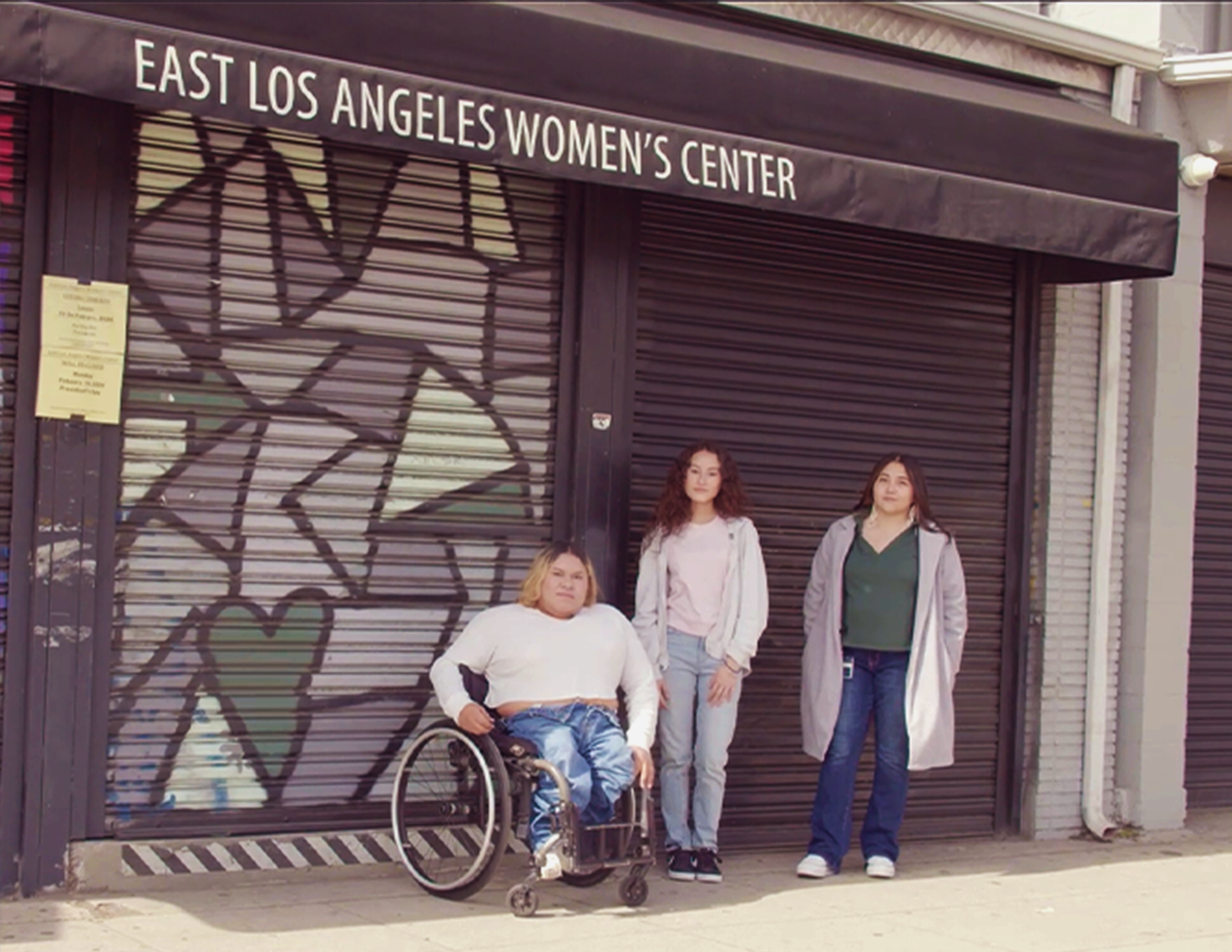
East Los Angeles Women’s Center is a community hub that provides women, youth, and people with disabilities with intervention and healing services for victims of domestic violence and sexual assault and empowering youth in violence prevention. They have a particular focus on street safety. Located next to the extended Metro E-line, the Center’s staff and constituents offer an important perspective about how women travel and their concerns for safety that is essential to the planning of the future station.
Recommendations
- New or Improved High Visibility Crosswalks
- Public Transit Improvements
- Landscaping and Shade
- New or Improved Sidewalks
- Signalized Crossings
- Bus Stop Improvements
THE GARAGE HIP HOP WORKSHOP
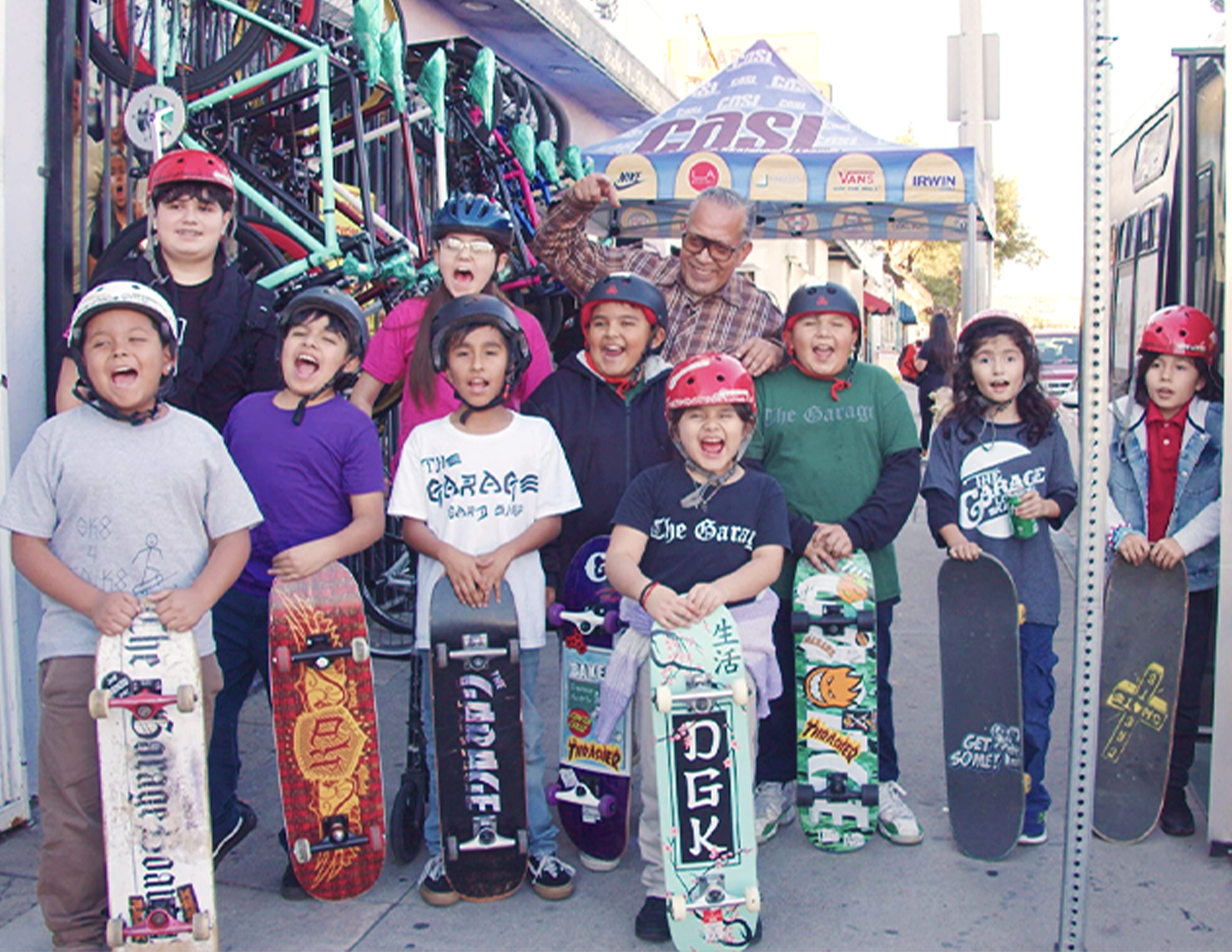
The Garage Hip Hop Workshop, a beloved community hub established in 2007, is more than a skate shop. Their “Skate for Educate” program empowers local youth through after-school tutoring, art and entrepreneurship workshops, and scholarships. The program’s young artists even get to showcase their talent by having their work featured on skateboards and sold as merchandise in the shop. These skaters are a familiar sight on the streets, parks, and pretty much wherever their boards will roll in East LA. Conveniently located near the future Atlantic/Whittier Metro station, The Garage Hip Hop Workshop wrangled a bus-load of young skaters, staff, and parents to lead the tour for the video tour.
Recommendations
- Safer Streets for youth to walk, bike, and roll
- Engage and support businesses in the community
- High-Visibility Crosswalks
- New or Improved Sidewalks
- Bike Facilities
EASTMONT COMMUNITY CENTER
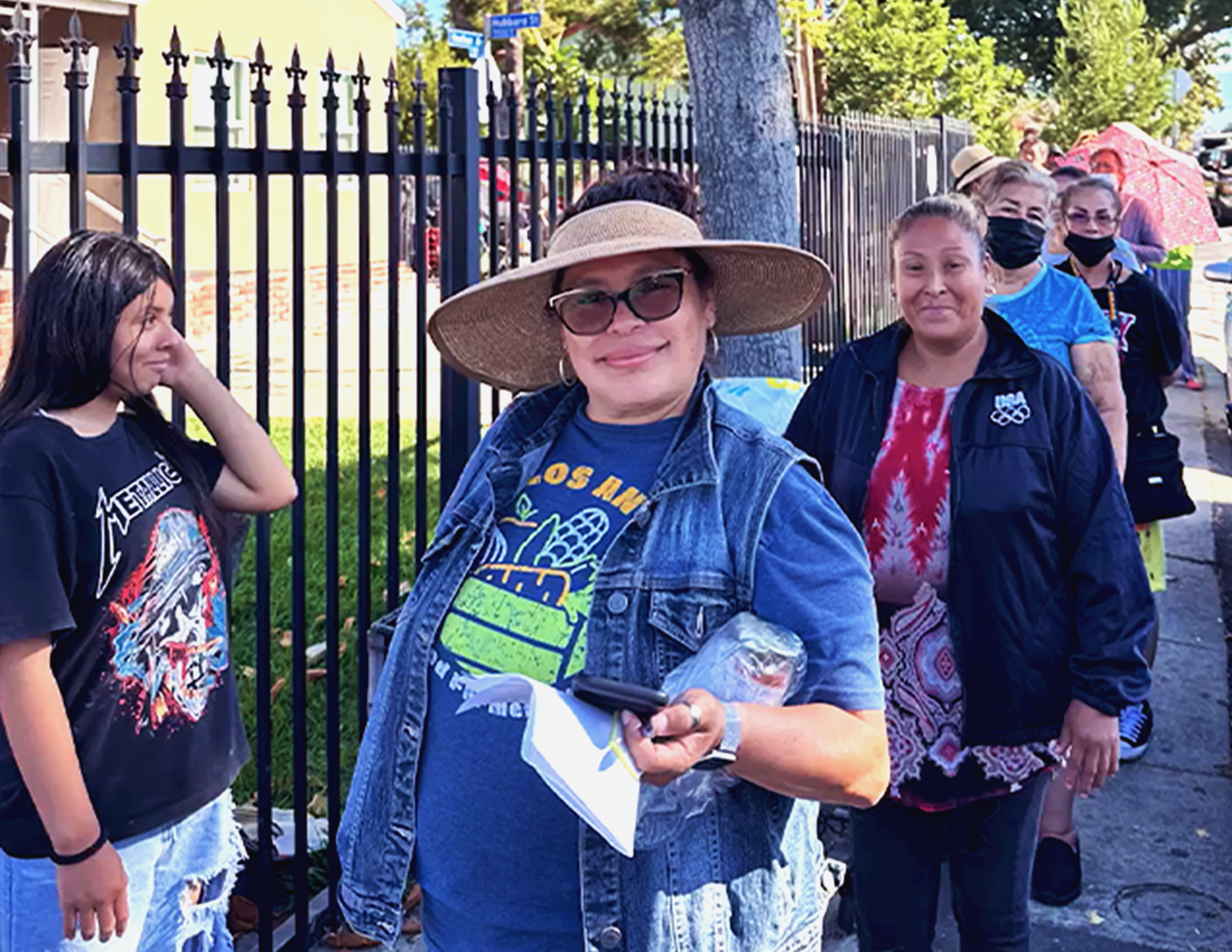
For more than 55 years, The Eastmont Community Center has been delivering social services to local residents and supporting more than 150 families. On Fridays, their food distribution draws long lines that stretch along the sidewalks and streets near the upcoming Atlantic/Whittier Metro station. Seniors who regularly visit the Eastmont area are some of the most frequent users of public transportation in East LA and are also particularly vulnerable to traffic violence.
Recommendations
- New or Improved Sidewalks
- High-Visibility Crosswalks
- Signalized Crossing
- Bus Stop Improvements
MOVING CON SAFOS INTERNS
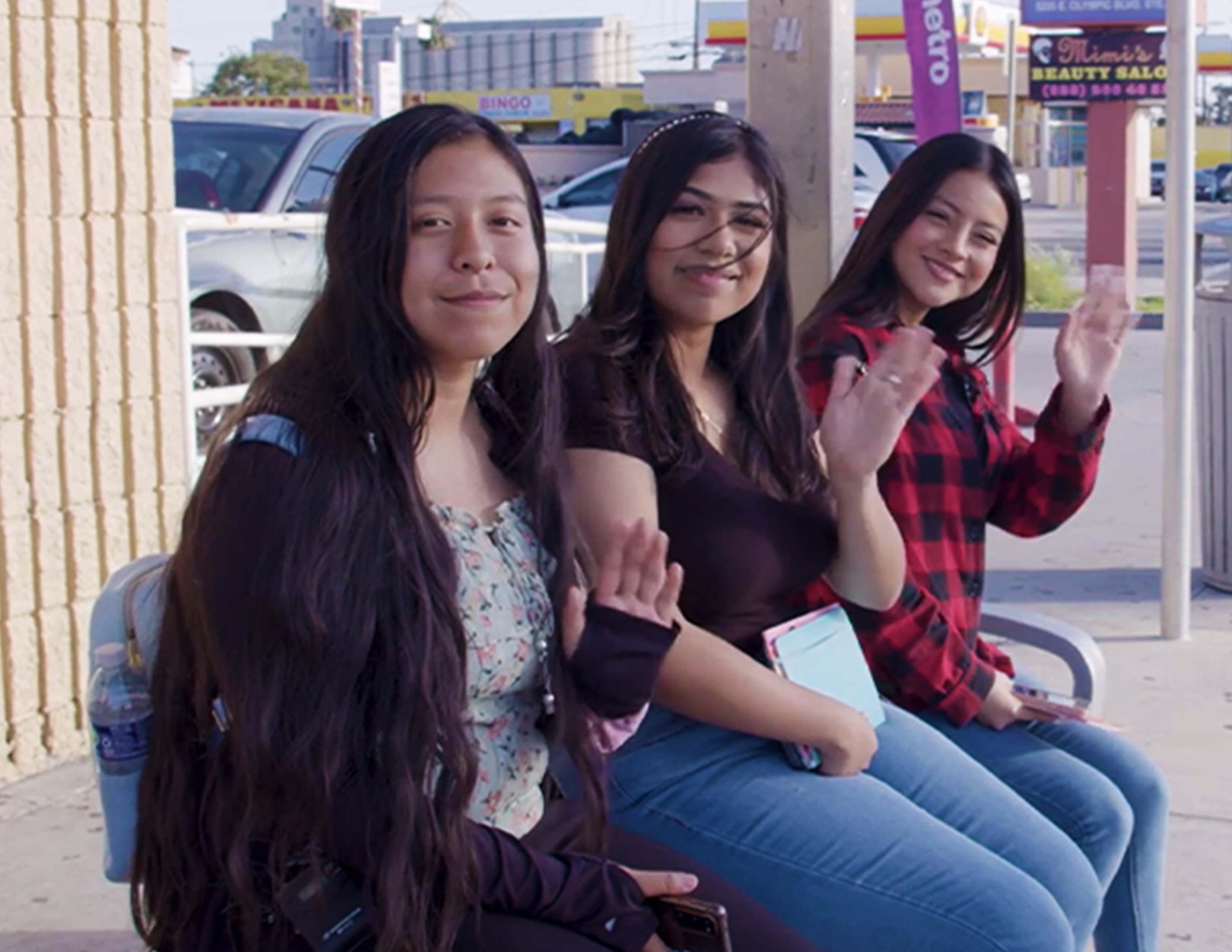
Moving Con Safos (MCS) was a paid summer internship for high school students run by Public Matters for East LA Moves/El Este Se Mueve, a three-year undertaking with LA County Public Works to promote active transportation in East LA by celebrating local culture. Grounded in transportation planning concepts, interns were trained to be active transportation advocates and ambassadors. Drawing from their personal experiences getting around East LA and knowledge of transportation planning, they offered informed perspectives on street safety improvements. Three MCS interns, who study or work within the first/last mile area of the two proposed stations, led the video tour.
Recommendations
- Signalized Crossing
- Underpass Improvements
- Safer Public Transit Access
- Complete Streets
- High-Visibility Crosswalks
IMPACT
Public Matters made LA Metro’s planning process more inclusive and representative of key users of East LA’s streets and sidewalks. These will make plans not only more effective, they set a tone for how LA Metro can conduct future community engagements. Public Matters, leaning on its long-standing work in street safety and transportation, along with its networks in East LA, made this possible.
As always, Public Matters invested heavily in time and community building to make sure community perspectives were clear and well understood.
Public Matters Impact:
- Ensured that LA Metro had the necessary local knowledge about the most important locations and interventions to prioritize in their planning
- Generated goodwill between the community stakeholders and LA Metro, creating a foundation for future transportation and street safety projects with a supportive network for public agencies
- Brought visibility to voices that are often left out of planning conversations and allowed different types of individuals to envision themselves participating in discussions and activities to shape the future of their communities
- Created a platform that truly values community stakeholders by giving time and respect to their stories, opinions, experiences, and ideas—an approach that stands in stark contrast to many outreach efforts that often limit stakeholders to 60 seconds of commentary or require them to condense their contribution into a form or survey
To its credit, LA Metro not only embraced a new concept and format for its planning processes and engagements but also celebrated this.
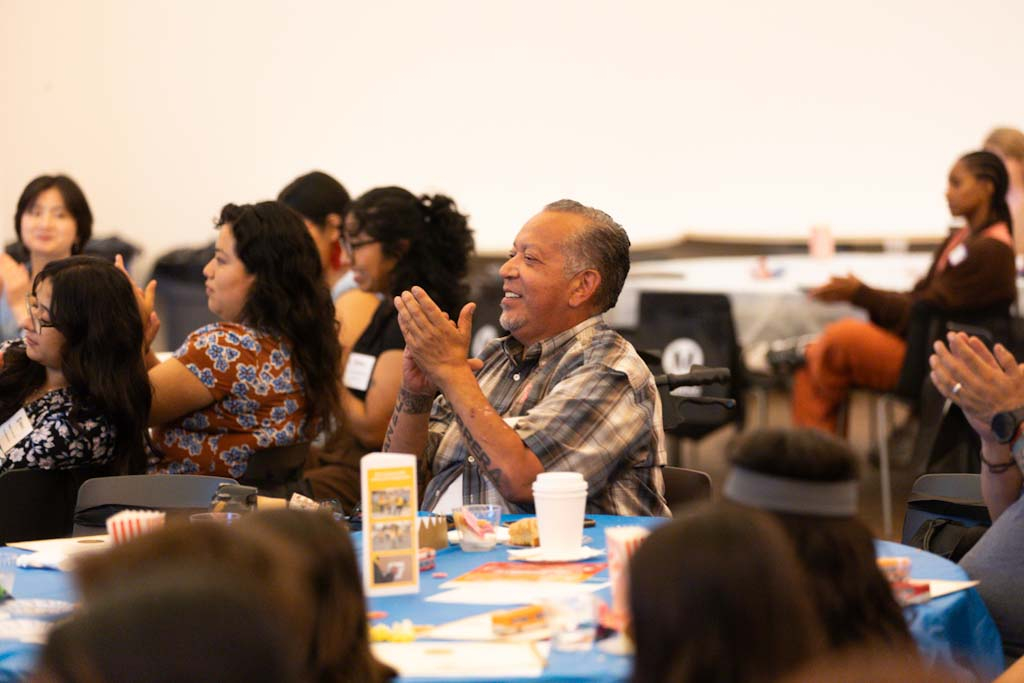
- It held a community screening and celebration that was attended by close to 100 representatives of the groups, and followed Public Matters’ suggestion by giving each individual an award for their participation.
- LA Metro and Public Matters presented the project at the MPact transportation conference in Philadelphia.
- LA Metro’s board screened the videos and raved about them.
- The Community-Led Video Tours now live on LA Metro’s YouTube platform, with nearly 27,000 subscribers, expanding community reach and serving as a reminder to continue to stay involved.
- Most importantly, the community’s voices were heard, and their messages resonated. LA Metro listened and incorporated the groups’ suggestions, concerns, and hopes into their plans.
PARTNERS
LA Metro “is focused on improving the entire transit experience from door to door. Given that most trips begin or end on foot, it is critical to have safe streets and sidewalks that allow people to connect to transit easily. The first and last part of the journey where riders walk, bike, or roll to or from their nearest transit station or bus stop is called the ‘first/last mile connection.’ Improving first/last mile connections is part of Metro’s commitment to providing outstanding trip experiences for all riders and improving access to Metro’s growing transportation network.”